The global transition to clean energy is driving an explosion in demand for critical minerals, such as lithium, nickel, cobalt and copper.
Extracting them from the ground may only be the easiest part of the process. Around the world, the United Nations is helping countries ensure that these valuable resources create decent jobs, protect the environment, and benefit local communities, rather than just global supply chains.
Argentina: Putting communities at the heart of the lithium boom
Argentina has some of the world’s largest lithium reserves , making it a key supplier for batteries used in electric vehicles and renewable energy .
The United Nations ensures that local populations can participate in decisions concerning the development of this sector. It supports dialogue between public authorities, businesses, workers, and indigenous communities so that they can address together issues ranging from environmental protection to economic opportunities.
The UN also helps provinces strengthen their financial planning so that a greater share of the profits generated by lithium remains within local communities. It simultaneously supports vocational training and initiatives aimed at increasing the role of women in the sector.
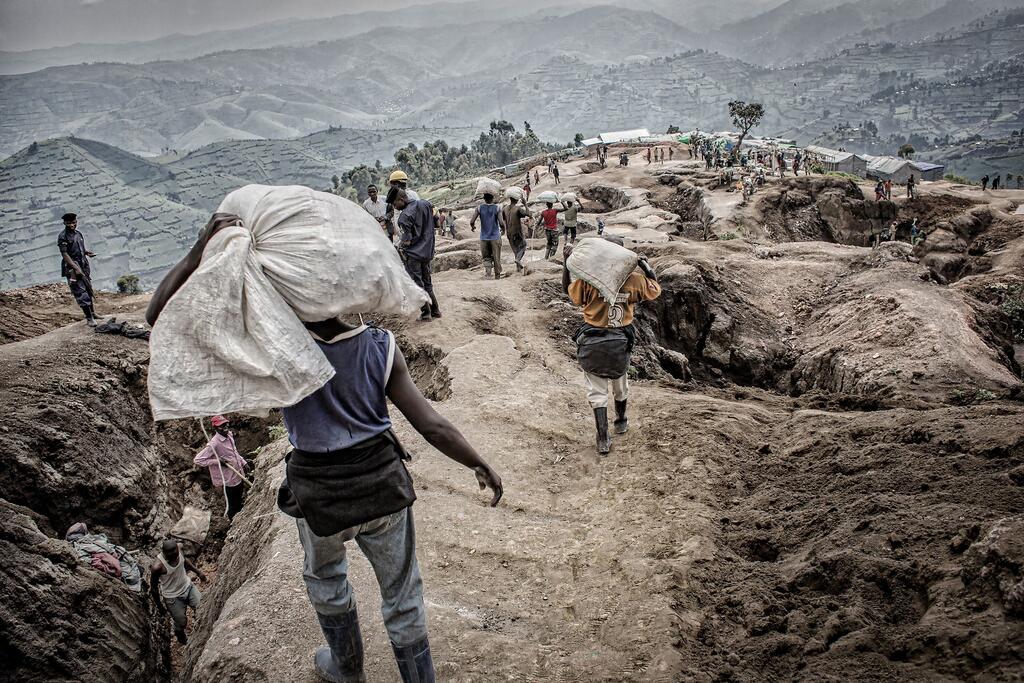
Cobalt is mined in Rubaya, in the east of the Democratic Republic of Congo (DRC), in an area controlled by a militia.
DRC: Transforming mineral wealth into an engine of development
The Democratic Republic of Congo (DRC) produces about 70% of the world’s cobalt , a mineral essential to many rechargeable batteries used in electric vehicles and energy storage systems .
The United Nations supports efforts to ensure that this mineral wealth contributes more broadly to the country’s economic development.
This includes support for strengthening public policies, promoting responsible business practices and developing local businesses so that they can participate in new value chains related to batteries and electric vehicles.
Indonesia: Creating more value from nickel
Indonesia is one of the world’s leading producers of nickel , a mineral essential to many batteries for electric vehicles .
Rather than relying primarily on the export of raw materials, the country seeks to develop higher value-added industrial activities within its territory.
The UN supports this strategy by contributing to the improvement of industrial production standards, the promotion of cleaner manufacturing processes and the increase of national added value throughout the supply chains of critical minerals.
The United Nations also supports strengthening occupational health and safety in mines, developing the skills needed for a greener economy and sharing Indonesia’s experience with other mineral-producing countries as part of South-South cooperation for sustainable mining and responsible management of natural resources.
